


USDT Casinos in Germany 2026: How Tether Deposits and Withdrawals Actually Work
USDT Casinos in Germany 2026: How Tether Deposits and Withdrawals Actually Work
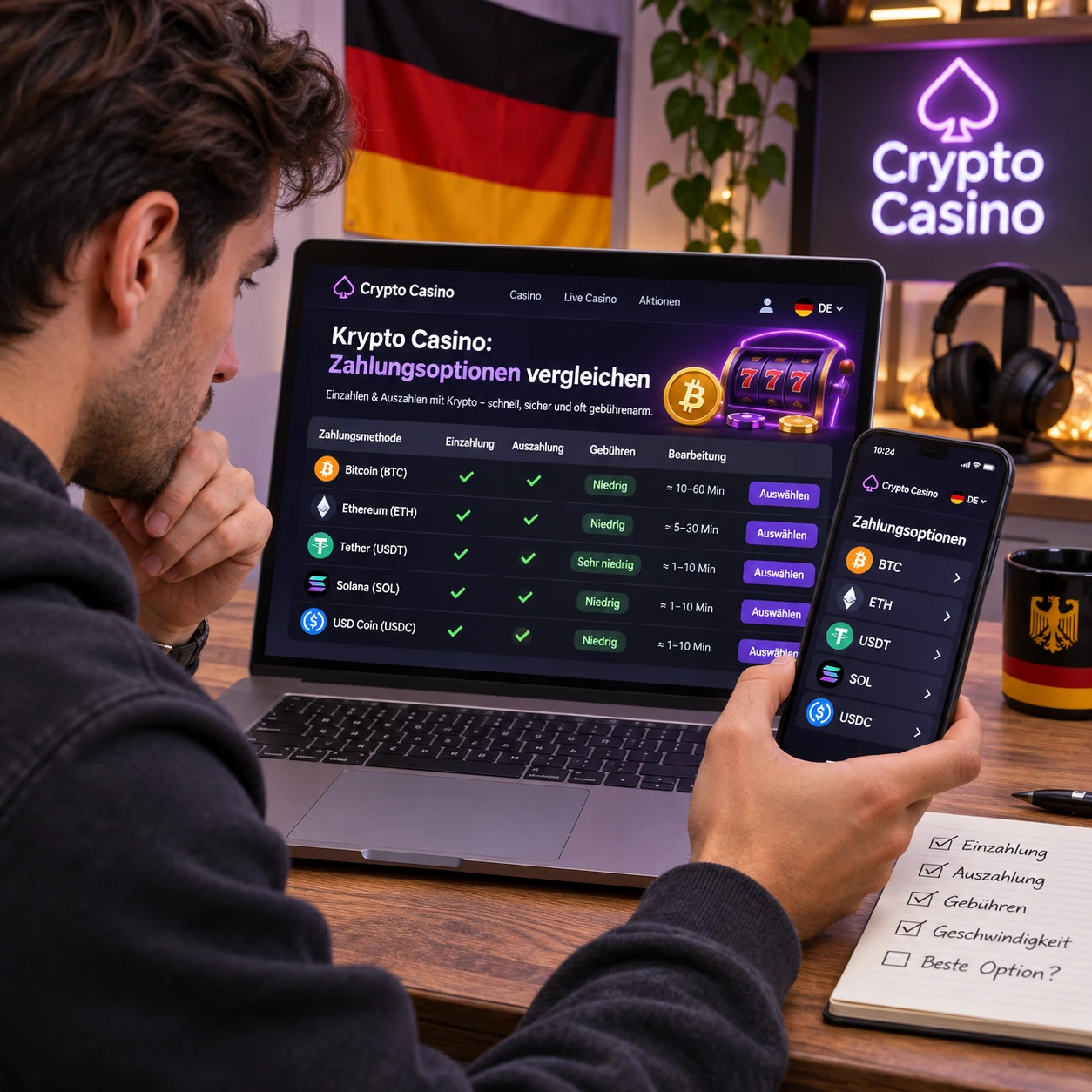
Search 'USDT casino' from a German IP in 2026 and you land in an awkward gap. The payment rail works. It's fast, it's cheap, and it does exactly what it claims. The regulator, meanwhile, doesn't recognise it at all. Those two facts sit right next to each other — and almost nobody selling you a sign-up bonus has any incentive to point out the mismatch.
I've spent a long time on both sides of this: reading the State Treaty text line by line, checking operator licence numbers against the whitelist, and watching people lose real money to one wrong click on a network selector. So I'm splitting this into three questions instead of mashing them into one. How a Tether transfer actually moves on-chain. What Germany's gambling framework permits and forbids. And how to screen an operator before you hand over identity documents or coins. It's a vetting guide. Not a list of endorsements — I'm not going to tell you which site to join.
USDT Casinos in Germany 2026: What the Term Really Covers
A 'USDT casino' is nothing more exotic than an online gambling site that accepts Tether — a stablecoin pegged to the US dollar — as a deposit and withdrawal rail, either on its own or alongside cards and e-wallets. That's the whole thing. It describes a payment option, not a licence category. There is no such thing as a 'crypto gambling licence' under German law, and anyone telling you otherwise is selling something.
In Germany the phrase currently covers two very different populations of operator. First, licensed sites — holders of a German permit under the State Treaty — and they don't take crypto. Not at all. Second, offshore sites that do accept Tether, and that aren't legal to offer games to residents here. Same keyword, two completely different legal realities. Mixing them up is where most of the bad decisions in this niche start.
Tether in Plain Terms: TRC-20 vs ERC-20
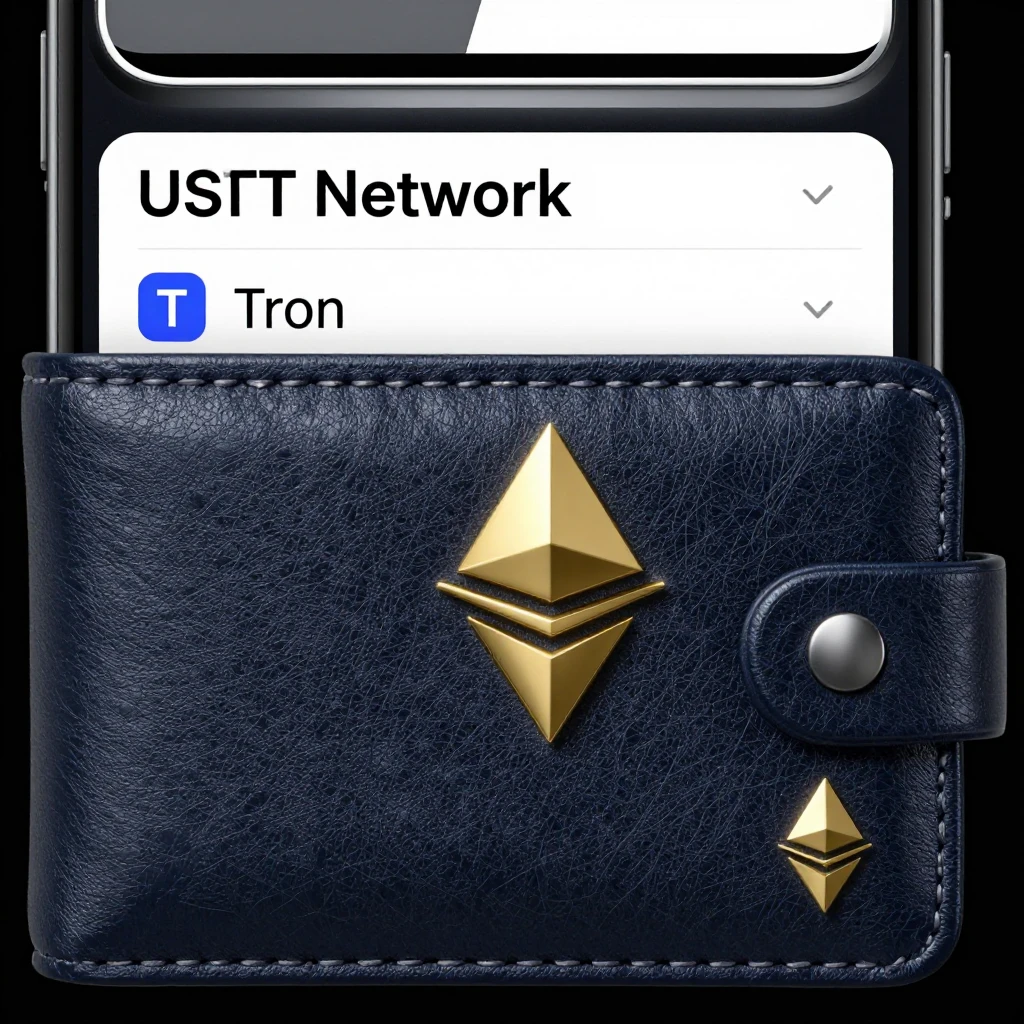
USDT isn't one coin on one chain. It's issued on several blockchains at once, and the two that matter for casino transfers are Tron (TRC-20) and Ethereum (ERC-20). TRC-20 is the cheap, fast default — seconds to settle, cents to send. ERC-20 works perfectly well, but gas fees can eat a meaningful slice of a small deposit. And sending on the wrong network is the single most common way players lose money, because the address you're sending to simply doesn't exist on the chain you picked.
What Germany's Gambling Rules Mean for Crypto Players
The governing instrument is the State Treaty on Gambling, GlüStV 2021, and enforcement sits with the Gemeinsame Glücksspielbehörde der Länder — the GGL, the joint authority of the federal states. Compared with most European markets, the practical consequences here are unusually clear-cut.
Only operators holding a German licence may legally offer gambling to residents, and the authoritative list is the OASIS whitelist the authority maintains. Checking any domain against it takes under a minute. Licensed operators are also bound to licensed payment service providers, and that whitelist of payment rails currently excludes crypto entirely. Which points to the conclusion most affiliate sites won't write down: a casino accepting USDT is almost certainly operating without a German licence, and the legal and financial risk of that sits with you. Not with them.
The €1,000 Monthly Limit, OASIS, and Why Licensed Sites Don't Take USDT
Licensed operators have to enforce a cross-provider deposit cap of €1,000 per month per player, tracked centrally through OASIS so you can't just spread your activity across several sites. Virtual slot and poker stakes also carry a 5.3% tax. Both controls depend on identifying the individual player and seeing every transaction — which is structurally incompatible with anonymous stablecoin transfers arriving from a self-custody wallet. That isn't a loophole someone forgot to close. The incompatibility is the reason the rules work.
How Tether Deposits and Withdrawals Actually Work
Strip away the marketing and the mechanics are mundane. You need a wallet or an exchange account holding USDT. The casino generates a deposit address, usually unique to your account. You send coins to it, and after a set number of network confirmations the balance shows up in your casino account.
Withdrawals run the other direction, only slower, because a human or an automated review usually sits in the middle. The request gets queued, a KYC step sometimes triggers, and then an outbound transfer goes to an address you control. The part worth dwelling on: unlike a card payment, a blockchain transfer is irreversible. No chargeback. No dispute process. No card issuer to appeal to. That cuts both ways — it protects the operator from fraudulent deposits, and it means a mistaken send or a withheld payout has no safety net underneath it.
Depositing: Step by Step
Set up a wallet you actually control, confirm the casino accepts the network you plan to use, and copy the address exactly — QR scan beats typing every time. Check the stated minimum deposit too. Plenty of sites set it low, but gas costs make small ERC-20 sends uneconomical. And know the failure mode going in: a transfer on the wrong chain, or to a mistyped address, is unrecoverable. Nobody can reverse it for you. Not support, not the exchange, not anyone.
Withdrawals, Network Fees, and Confirmation Times
Read the withdrawal minimums and per-transaction maximums before you deposit, not after a win. Casinos batch payouts, so a request can sit for hours even when the chain itself is idle. TRC-20 fees are typically under a dollar. ERC-20 fees move with congestion and can spike badly. While you wait, paste the transaction hash into Tronscan or Etherscan and watch the confirmations yourself — far more informative than a support chat.
Comparing USDT Casinos: What Separates a Solid Operator from a Risky One
Comparisons in this niche tend to be rankings wearing a research costume. Better approach: treat any comparison as a lens, then ask what the criteria underneath actually are. Four factors do most of the work. The licensing jurisdiction, and whether it's verifiable. The track record on withdrawals. The stated deposit and withdrawal limits. And how transparent the bonus and KYC terms are once you read the fine print. If a comparison skips those, it's a coupon page.
When I want a quick overview of how operators position themselves, I use a comparison resource as a starting point for surveying options — checking how a given usdt casino measures up against the criteria in this guide rather than accepting the ranking at face value. The value isn't in the order of the list. It's in whether the site tells you which jurisdiction each operator holds, what the withdrawal terms are, and whether the terms page contradicts the marketing page. Use it like a directory, not a recommendation.
How to Vet a Crypto Casino Before You Sign Up
This is the part that actually protects you. Work through it in order, and don't skip steps because a bonus is expiring in six hours.
- Verify the licence number in the footer against the issuing authority's own register.
- Identify the legal entity operating the site and where it's incorporated.
- Read the withdrawal section in full, including caps and processing windows.
- Check the KYC threshold — at what amount does verification become mandatory?
- Read the bonus terms for wagering requirements, maximum win caps, and expiry.
- Confirm the site publishes a data protection policy before you upload documents.
Licence, Ownership, and Jurisdiction
A footer badge means nothing. The number behind it does. Look that number up on the regulator's register directly, then find the operating company — usually buried somewhere in the terms — because that's who you'd actually be in a dispute with. Be realistic about recourse, too. A Curaçao or Anjouan licence gives a German player essentially no practical avenue for complaint. No ombudsman. No authority that will step in on your behalf.
Withdrawal Terms, KYC, and Bonus Traps
Before you deposit a single coin, find the withdrawal section. Processing times, per-transaction caps, and the verification threshold at which you'll be asked for ID all live there. Then open the bonus terms and hunt for the clauses that quietly remove your winnings: maximum cashout caps on 'free' spins, wagering requirements applied to stablecoin deposits, short expiry windows. A bonus that caps your winnings at a few hundred euro is a marketing expense, not a gift.
Common Mistakes German Players Should Avoid
The failure modes repeat themselves, which is almost the frustrating part. Sending USDT on the wrong chain is the classic, and it's permanent. Treating a stablecoin balance as tax-free is another — Germany treats gambling winnings differently from investment gains, the record-keeping burden falls on you, so keep transaction records whether or not you think you'll need them. German-language branding and a .de-styled layout prove nothing; check for an actual GGL entry on OASIS. Ignoring withdrawal limits until after a large win is a painful way to learn to read the terms first. And uploading passport scans to an operator with no stated data policy is a privacy risk that outlasts the account itself.
FAQ and Final Takeaway
Can I legally use a USDT casino from Germany? A site accepting Tether is almost certainly unlicensed here, so you'd be playing outside the regulated market and outside its protections. That's the honest answer, and it's a legal and financial risk you'd be carrying personally.
Is Tether safer than a card deposit? Safer for privacy, worse for recourse. There's no chargeback mechanism on-chain, so a disputed withdrawal has no card issuer standing behind it to escalate to.
What happens if a casino refuses my withdrawal? Realistically, very little. With an offshore licence your options are the operator's complaint process, a licensing authority that rarely acts for foreign players, and public complaint forums. Which is exactly why the checklist above matters more than any bonus.
The tech is reliable — Tether transfers do what they say, quickly and cheaply. The licensing question is where the real risk lives, and no amount of slick design changes that. Check current GGL guidance and tax rules yourself before acting on anything here, since both are subject to change. And keep gambling inside limits you can genuinely afford to lose, because the one thing crypto rails guarantee is that nobody will stop you.